
Remote Working Abroad: What Employers Need to Consider Before Saying Yes
Over the last few years, remote and hybrid working have become firmly embedded in many workplaces. As a result, an increasing number of employees are asking whether they can work remotely from another country, whether that's for a few weeks while visiting family, extending a holiday, or even spending several months working overseas.
Whilst these requests can seem straightforward, employers should be aware that allowing an employee to work abroad can create a range of legal and practical issues. Before agreeing to any arrangement, it's important to understand the potential risks and have a clear policy in place.

Why Employees Are Making These Requests
For many employees, the ability to work remotely has changed expectations around flexibility. Some may want to spend time with family overseas, escape the UK winter, or combine work with travel. Others may already work entirely remotely and see little difference between working from Bournemouth and working from Barcelona.
However, from an employer's perspective, the employee's location can have wider implications than simply ensuring they have a laptop and internet connection.
Immigration and Right to Work Considerations
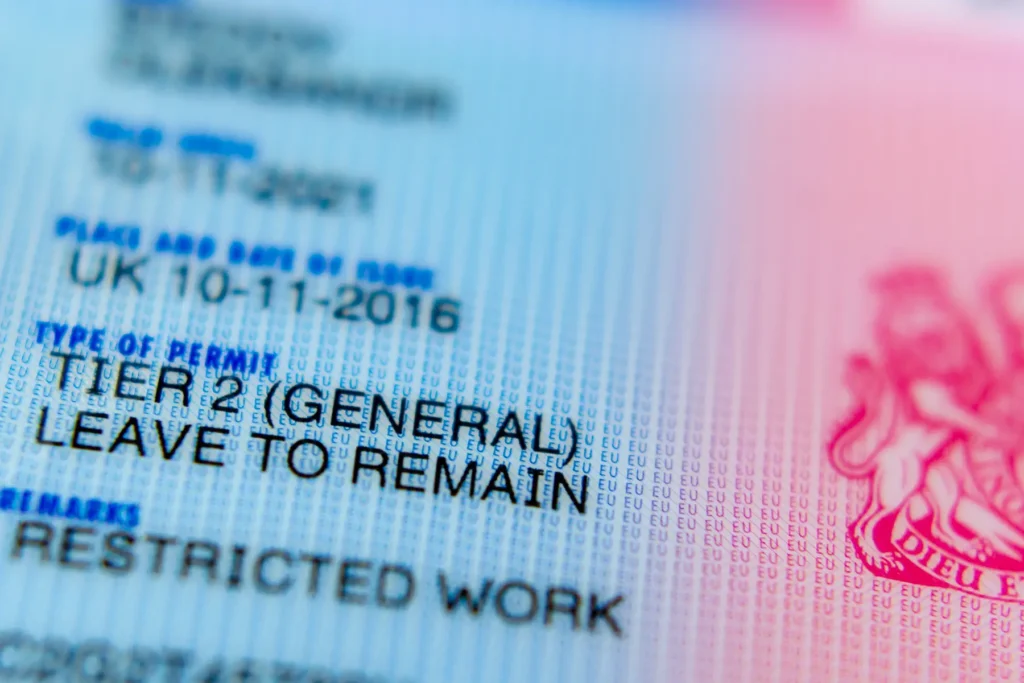
Many employees assume they can work remotely from any country provided they remain employed by a UK business. Unfortunately, this is not always the case.
Some countries require specific visas or permissions for foreign nationals undertaking any form of work, even where the employer remains based in the UK. Employers should encourage employees to check local immigration requirements before any arrangement is approved.
Simply because an employee is allowed to enter a country as a tourist does not necessarily mean they are permitted to work whilst there.
Tax and Social Security Risks
One of the biggest concerns for employers is the potential tax implications of employees working overseas.
In some circumstances, an employee's presence in another country could create local tax obligations for the individual, the employer, or both. The longer the employee spends working abroad, the greater the potential risk.
Whilst a short period overseas may present limited issues, longer-term arrangements should always be considered carefully and professional tax advice may be required.
Employment Law Complications
Employers are often surprised to learn that an employee working from another country could potentially acquire certain local employment rights.
Depending on the circumstances, local laws relating to working time, annual leave, dismissal rights, family leave or health and safety could become relevant.
This does not automatically happen every time an employee works abroad, but it highlights why organisations should avoid making informal arrangements without considering the wider implications.

Data Protection and Confidentiality
Many roles involve access to personal data, commercially sensitive information or confidential client records.
When employees work abroad, employers should consider whether there are additional risks associated with data security. Questions to consider include:
- Is the employee using secure networks?
- Will confidential conversations be overheard?
- Is company equipment adequately protected?
- Are there any restrictions on transferring personal data to or from the country concerned?
For regulated organisations or businesses handling sensitive personal information, these considerations are particularly important.
Insurance and Health & Safety
Many employers have policies and risk assessments in place for homeworking within the UK. Those arrangements may not automatically extend to overseas working.
Employers should consider whether their insurance policies provide appropriate cover and whether there are any health and safety considerations associated with the proposed location.
For example, an employee working from a co-working space, holiday accommodation or another private residence may present different risks from those covered by existing arrangements.
The Importance of Having a Policy
Rather than dealing with requests on an ad hoc basis, employers may benefit from introducing a clear overseas remote working policy.
A policy can help set expectations around:
- Whether overseas working is permitted.
- The maximum period allowed.
- Countries that may be restricted.
- Notice requirements for requests.
- Tax, immigration and insurance responsibilities.
- Data protection requirements.
- The circumstances in which approval may be withdrawn.
Having a consistent approach reduces the risk of unfairness and helps managers make informed decisions when requests arise.

Practical Tips for Employers
Before approving a request to work abroad, employers should consider:
- How long the employee wishes to work overseas.
- Which country they will be working from.
- Whether there are any immigration or visa requirements.
- Potential tax and payroll implications.
- Data protection and confidentiality risks.
- Business needs and operational requirements.
- The employee's ability to attend meetings and work within UK business hours where necessary.
A short-term request may be relatively low risk, whilst longer arrangements often require much greater scrutiny.
Final Thoughts
Flexible working can be a valuable recruitment and retention tool, and many employers are keen to support employees where possible. However, overseas remote working is rarely as simple as allowing an employee to log on from another country.
Taking a little time to assess the risks and establish a clear policy can help employers balance flexibility with legal compliance and protect both the business and the employee from unexpected consequences.
HR Team Tip: If you receive a request to work overseas, avoid giving an immediate approval. Ask for details of the location, expected duration and purpose of the arrangement first, so that the potential implications can be properly assessed before a decision is made.
For expert advice and support with implementing an overseas remote working policy, contact The HR Team today.