Welcome to our November newsletter. With the Employment Rights Act changes now arriving in stages, the next few months are a good time to tidy up the basics before the bigger changes land in the new year. This month we look at getting probation right ahead of January, keeping the Christmas party fun and safe, and managing winter sickness under the new sick pay rules.
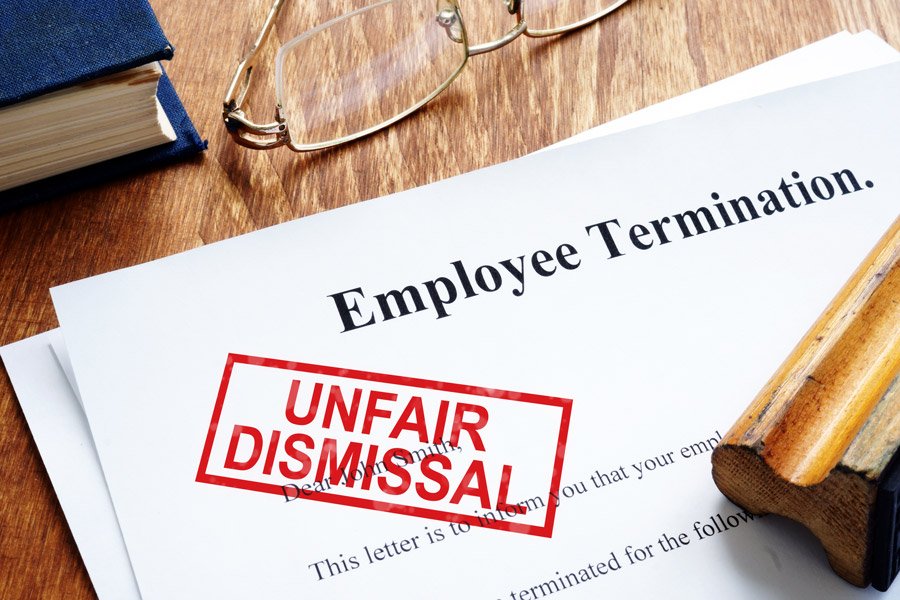
Six months to get it right: probation before the unfair dismissal change
From 1 January 2027, employees will be able to bring an ordinary unfair dismissal claim after six months' service, rather than the current two years. For many SMEs, that changes how much rides on the first few months of employment.
The practical effect is simple. If someone isn't working out, you'll need to spot it, raise it and deal with it fairly well within their first six months. Leaving it to "see how things go" for a year will no longer be a low-risk option.
The good news is that a well-run probation period does most of the work. A few things worth checking now:
- Contracts and offer letters. Make sure they set out a probation period (three to six months is typical) and say how it can be extended. A five-month probation with a one-month extension is a sensible fit with the new timeline.
- Clear expectations from day one. Set out what good looks like in the role, ideally in writing, so there's something to measure against.
- Regular check-ins, recorded. Short, honest conversations at the end of month one, three and five, with a brief note of what was discussed, are far more useful than a single review at the end.
- Act early. If there are concerns, raise them promptly and give the person a genuine chance to improve, with support where needed.
- Line manager confidence. Many managers avoid difficult conversations. A little coaching now will pay off later.
It's also worth remembering that some claims, such as discrimination and whistleblowing, have never needed any qualifying service. Fair, well-documented decisions protect you either way.
One point that's easy to miss: the change looks at length of service on the date of dismissal. So, on 1 January, anyone already employed for between six months and two years will gain unfair dismissal protection overnight. If you have ongoing concerns about someone in that group, it's worth taking advice now rather than waiting for the new year.
Not sure your contracts and probation process are ready for January? Get in touch with The HR Team. We can review your documents; help you set up a simple probation framework and give practical advice on any current concerns.

Keeping the Christmas party merry (and safe)
The work Christmas party is a great way to say thank you to your team. It's also, legally speaking, an extension of the workplace, and this year the stakes are a little higher.
Since October 2026, employers have had a duty to take all reasonable steps to prevent sexual harassment of their staff, strengthening the "reasonable steps" duty introduced in 2024. Employers can also now be liable where staff are harassed by third parties, such as customers, clients or contractors, if they haven't taken reasonable steps to prevent it. A tribunal can increase compensation where the duty hasn't been met, so it's worth being able to show what you've done.
None of this means cancelling the fun. A few sensible steps go a long way:
- A quick reminder beforehand. A short, friendly note about expected standards, and who to speak to if anything goes wrong, sets the tone without dampening spirits.
- Think about the drinks. A free bar all night is where many problems start. Consider a drinks allowance, plenty of food and soft drink options.
- Make it inclusive. Not everyone drinks or celebrates Christmas. Choose a venue, time and activities that work for the whole team, and make attendance genuinely optional.
- Have a responsible person. Ask a senior colleague to stay sober enough to keep an eye on things and step in if needed.
- Plan the journey home. Taxi numbers or transport arrangements help avoid late-night risks.
- Be careful about after-parties and social media. Behaviour at unofficial after-parties can still become a work issue, as can photos and comments posted online.
If a complaint does come in afterwards, take it seriously and deal with it promptly and fairly, however festive the circumstances. It's also a good moment to check your harassment policy and training are up to date, as that's often the first thing a tribunal will ask about.
And a final tip: avoid conversations about pay rises or promotions at the party. Things said over a glass of wine have a way of being remembered.
Want peace of mind before party season? The HR Team can check your harassment policy, prepare a short pre-party message for your team, or advise you quickly and confidentially if an issue does arise. Just give us a call.

Winter bugs and the new sick pay rules
Winter is peak season for coughs, colds and stomach bugs, and this is the first winter under the new Statutory Sick Pay (SSP) rules that came in from April 2026.
The key changes are worth a quick reminder:
- SSP is now payable from the first day of sickness. The three unpaid "waiting days" have gone.
- The lower earnings limit has been removed. Lower-paid and part-time staff who previously didn't qualify are now entitled.
- For lower earners, SSP is paid at 80% of their average weekly earnings where that is less than the standard weekly rate.
If your payroll provider handles SSP, it's still worth checking they've applied the changes correctly, particularly for part-time and casual staff.
With no waiting days, short absences now cost a little more, so good absence management matters. That doesn't mean being heavy-handed. A few basics work well:
- Clear reporting rules. Make sure everyone knows who to contact, by when and how, if they're unwell.
- Return-to-work chats. A short, supportive conversation after every absence is one of the most effective tools there is. It shows you care and helps spot patterns or underlying issues early.
- Consistent triggers. If you use absence triggers, apply them fairly and use discretion, especially where an absence may be linked to a disability or pregnancy.
- Look at the bigger picture. Repeated short absences can be a sign of stress, caring responsibilities or wider wellbeing issues. An early, informal conversation often solves more than a formal process.
Finally, it's a good time to check that your sickness absence policy reflects the new SSP rules, and that any company sick pay scheme still works as intended alongside them.
Need help with absence? Whether it's updating your sickness policy for the new SSP rules or handling a tricky case, The HR Team is here to help. Contact us for straightforward, expert advice.
Need a hand?
If you'd like help reviewing your contracts, probation process, harassment policy or absence procedures ahead of the new year, or support with a specific situation, please get in touch Kelly, Tracy or Megan at The HR Team. We're always happy to talk things through.
This newsletter is general guidance only and doesn't replace advice on your specific circumstances. It reflects the law in England, Wales and Scotland; some rules differ in Northern Ireland.