Most people who witness inappropriate behaviour at work don't say anything. It isn't usually because they don't care. They're unsure whether it's "serious enough", worried about making things awkward, or simply don't know what to say. Good harassment training changes that. Done well, it isn't a once-a-year tick-box exercise. It builds a shared understanding of where the lines are, and gives everyone the confidence to speak up, whether the behaviour is aimed at them or at a colleague.
Why it matters now
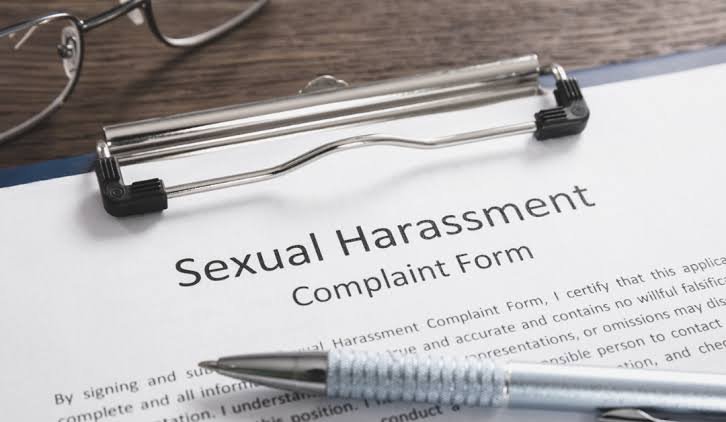
Since October 2024, employers have had a legal duty to take reasonable steps to prevent sexual harassment of their staff. This has been strengthened under the Employment Rights Act 2025 to "all reasonable steps", and it now extends to harassment by third parties such as customers and clients. The Equality and Human Rights Commission's guidance is clear that training is one of the steps it expects to see.Training also matters if a claim is brought. An employer can defend a harassment claim by showing it took all reasonable steps to prevent it. Tribunals have made clear that old, generic or "click-through" training is unlikely to be enough. In Allay v Gehlen, a racial harassment case, the employer’s defense failed because its training had become stale and was no longer effective
But the strongest reason is a practical one. A team that understands what is and isn't acceptable, and feels able to say so, is a happier, safer and more productive place to work.

What good training covers
The most effective training is practical, relevant to your workplace and involves everyone, from the newest starter to the senior team. It should help people understand:
- What sexual harassment is. It includes unwanted comments, jokes, touching, messages and images, and it can still be harassment even if no offence was intended.
- Professional boundaries. Where friendly becomes overfamiliar, and why closeness at work doesn't mean consent to personal comments or contact.
- "Banter" and team culture. Why behaviour that seems harmless to some can exclude or intimidate others, and why "it was only a joke" isn't a defense.
- Power and position. How seniority, age gaps or someone's job security can make it much harder for a person to object.
- Out-of-hours and online behaviour. Work socials, group chats and social media can all fall within the workplace.
- Customers and clients. What staff should do if a customer or visitor behaves inappropriately, and what support they can expect from you.
- How to report it. Who to go to, the options available and what will happen next.
Using realistic scenarios drawn from your own type of business works far better than generic examples. People need to recognise the situations they might actually face.

Giving people the confidence to speak up
Knowing the rules is one thing. Feeling able to act on them is another. This is where "active bystander" training is particularly valuable. It recognises that colleagues are often best placed to stop inappropriate behaviour early, and gives them simple, low-risk ways to step in. These include:
- Direct: calmly calling it out at the time, for example "That's not OK" or "Let's leave that there."
- Distract: interrupting the situation with a question or a change of subject, giving the person a way out.
- Delegate: asking a manager or someone else to step in.
- Delay: checking in with the person afterwards, asking if they're OK and what support they'd like.
- Document: making a note of what was seen, in case it's needed later.
No one is expected to be confrontational. The aim is that everyone knows they can do something, and that whatever they choose is better than nothing.
The same confidence matters for people on the receiving end. Employees should know they can raise concerns, informally or formally, without being seen as "difficult", and that they won't be treated badly for doing so. Treating someone less favourably for complaining about harassment can itself be unlawful victimisation.

Making it stick
A single session won't change a culture on its own. The businesses that get this right tend to:
- refresh training regularly, and include it in induction for new starters
- give managers extra support, because how they respond to the first concern sets the tone for everyone else
- lead from the top, with senior people visibly modelling the standards they expect
- keep reporting routes simple, with more than one person staff can go to
- deal with concerns promptly and fairly, and follow up with the person who raised them
- keep a record of training and policy reviews, so you can show the steps you've taken
When people see that concerns are taken seriously and handled well, they're far more likely to speak up early, while issues are still small and easier to resolve.
Want to give your team the knowledge and confidence to speak up? The HR Team can deliver practical, tailored training on sexual harassment, professional boundaries and active bystander skills. We can also review your policy and reporting routes and support your managers in handling concerns well. Get in touch to find out more.
This article is general guidance only and doesn't replace advice on your specific circumstances. It reflects the position in England, Wales and Scotland; different rules apply in Northern Ireland.