Three things employers need to know
October is proving to be a significant month for HR, with changes to employment law taking effect alongside an important announcement on employee pay.
This month we look at three developments employers should have on their radar: the new Real Living Wage, stronger obligations to prevent workplace sexual harassment, and longer time limits for bringing Employment Tribunal claims.
Real Living Wage rises to £14.10
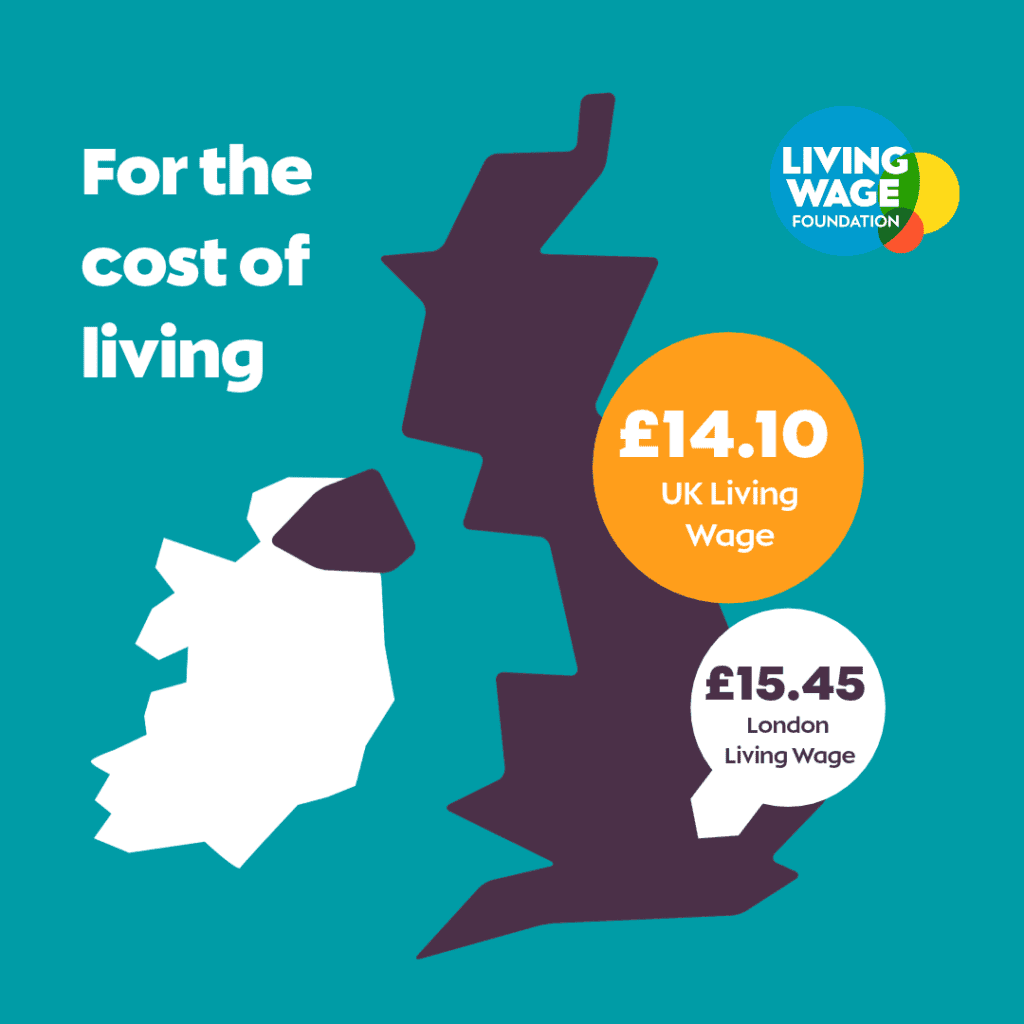
The new Real Living Wage rates for 2026/27 were announced on 15th October, with the UK rate increasing from £13.45 to £14.10 per hour. The London Living Wage has increased from £14.80 to £15.45 per hour. The increase is 65p per hour in both cases.
It is important to remember that the Real Living Wage is different from the statutory National Living Wage. The Real Living Wage is a voluntary rate calculated according to the cost of living rather than a legal minimum that all employers are required to pay.
For accredited Living Wage Employers, however, the announcement does require action. Employers have six months to implement the new rates, with a deadline of 1st May 2027.
Even for organisations that are not accredited, the announcement provides a useful opportunity to review pay. Employers may want to consider whether their lowest-paid employees remain appropriately positioned, and whether changes at the bottom of the pay structure would have a knock-on effect further up.
For example, increasing entry-level salaries without reviewing the next level of roles can narrow the gap between employees and their supervisors or between new starters and more experienced colleagues. Employers considering an increase should therefore look at their wider salary structure rather than simply changing one hourly rate.
Our HR view: Pay remains an important part of attracting and retaining employees. Whether or not you are committed to the Real Living Wage, this is a good opportunity to review salaries, internal pay differentials and your overall reward offering ahead of 2027.

New sexual harassment obligations from 30th October
A significant change to employers' responsibilities for preventing workplace sexual harassment is due to take effect on 30th October 2026.
Employers are moving from a requirement to take “reasonable steps” to prevent sexual harassment to a requirement to take “all reasonable steps”. The reforms also strengthen protection in relation to harassment of employees by third parties.
For employers, this makes prevention increasingly important. Simply having an anti-harassment or dignity-at-work policy shouldn't be regarded as the end of the exercise.
Businesses should consider how harassment risks arise in their particular organisation and whether their current measures adequately address them. Policies and reporting arrangements are relevant, but so too are effective training, managers' understanding of their responsibilities and the way complaints are handled.
There should also be particular consideration of roles involving interaction with customers, clients and other third parties, given the changes to third-party harassment protections.
This makes October a sensible time for employers to revisit their approach. Training delivered several years ago, combined with a policy that employees rarely see, may warrant a refresh as part of that review.
Our HR view: The key word here is prevention. Employers should be thinking about what reasonable preventative measures are appropriate for their actual workplace rather than waiting for an incident or complaint before taking action.
Employment Tribunal claim time limits double
Another important employment law change has already taken effect.
From 1st October 2026, the time limit for bringing the majority of Employment Tribunal claims increased from three months to six months. The Government says the change is intended to give employees and employers more time to resolve disputes internally or through conciliation, as well as more time to consider the merits of a potential claim.
The new six-month period generally applies where the relevant workplace issue occurred on or after 1st October 2026. Where it happened before that date, the previous three-month time limit continues to apply.
For employers, one practical consequence is that good HR documentation becomes even more important.
An employee may now bring a potential claim considerably longer after an incident has occurred. Managers therefore need clear, contemporaneous records of matters such as disciplinary and grievance processes, investigations, performance concerns, absence management and dismissal decisions.
Trying to remember precisely what happened several months after an event is rarely satisfactory. Clear meeting notes, correspondence and documented reasons for decisions can make a considerable difference if a workplace issue later becomes a formal dispute.
The Government specifically recommends updating policies or staff handbooks that refer to the previous three-month Employment Tribunal time limit.
Our HR view: Use this change as a prompt to review your HR record keeping. Good documentation isn't about creating paperwork for the sake of it. It is about being able to demonstrate what happened, what process was followed and why a particular decision was reached.

What should employers do now?
Taken together, this month's developments provide a useful opportunity for employers to carry out a wider HR health check.
Consider whether your pay structure remains competitive, whether your harassment policies, training and preventative measures are appropriate for your workplace, and whether managers are consistently documenting important employee-relations decisions.
It is also worth looking ahead. The Government is implementing its wider employment rights reforms in stages across 2026 and 2027, so employers shouldn't regard October's changes as the end of the story.
Preparing gradually will be far easier than trying to update employment contracts, policies, processes and manager training at the last minute.
How we can help
Employment law is changing quickly, but good HR doesn't have to become complicated.
If you would like support reviewing your HR policies, employee handbook, harassment procedures, manager training, pay structure or employment documentation, please get in touch. We can help identify where changes may be needed and ensure your HR practices remain practical, proportionate and up to date.
Need an HR health check? Get in touch with The HR Team to discuss how the latest changes may affect your business.
This newsletter provides general HR information and should not be treated as legal advice on individual circumstances.