Managing Absence and Supporting Mental Health in the Workplace
As employers continue to navigate workforce challenges, effectively managing attendance and supporting employee wellbeing remain key priorities. Whilst sickness absence is sometimes unavoidable, how organisations respond can significantly impact employee engagement, operational performance and legal risk.
This month's HR newsletter focuses on three common areas that employers often find challenging: managing long-term sickness absence, tackling frequent short-term absence, and supporting employees who may be struggling with their mental health whilst remaining at work.
Managing Long-Term Sickness Absence Effectively
Long-term sickness absence can be difficult for both employers and employees. In addition to operational challenges, organisations must balance supporting an employee's recovery with the needs of the business.
Stay Connected
One of the most common mistakes employers make is failing to maintain contact during an employee's absence.
Regular, supportive communication helps employees feel valued and informed whilst enabling employers to understand how recovery is progressing. Agreeing a suitable level of contact at the outset can help avoid misunderstandings later.
Gather Medical Information
Decisions should be based on medical evidence rather than assumptions.
This may include:
- Fit notes from the employee's GP
- Occupational Health reports
- Medical specialist reports (where appropriate and with consent)
Understanding the employee's condition, prognosis and any workplace recommendations will help inform next steps.
Consider Reasonable Adjustments
When managing a return to work following long-term sickness absence, and especially where an employee's condition may amount to a disability under the Equality Act 2010, employers have a legal duty to consider reasonable adjustments.
Examples may include:
- Phased returns to work
- Temporary changes to duties
- Reduced hours
- Additional support or equipment
- Flexible working arrangements
Each situation should be assessed individually.
Hold Regular Review Meetings
Formal review meetings provide an opportunity to:
- Discuss recovery progress
- Review medical advice
- Explore possible adjustments
- Consider return-to-work plans
Clear documentation of discussions and decisions is essential.
Don't Ignore Capability Processes
Whilst support should always come first, there may come a point where medical evidence indicates that a return to work is unlikely within a reasonable timeframe.
In such cases, employers may need to follow a fair capability process before considering dismissal on the grounds of ill health capability.
A fair process will always involve:
- Up-to-date medical evidence
- Consultation with the employee
- Consideration of adjustments and alternatives
- The right of appeal

Tackling Frequent Short-Term Absence
Whilst individual absences may appear minor, frequent short-term absence can have a significant impact on productivity, team morale and service delivery.
Many employers struggle because they address each absence individually rather than identifying patterns over time.
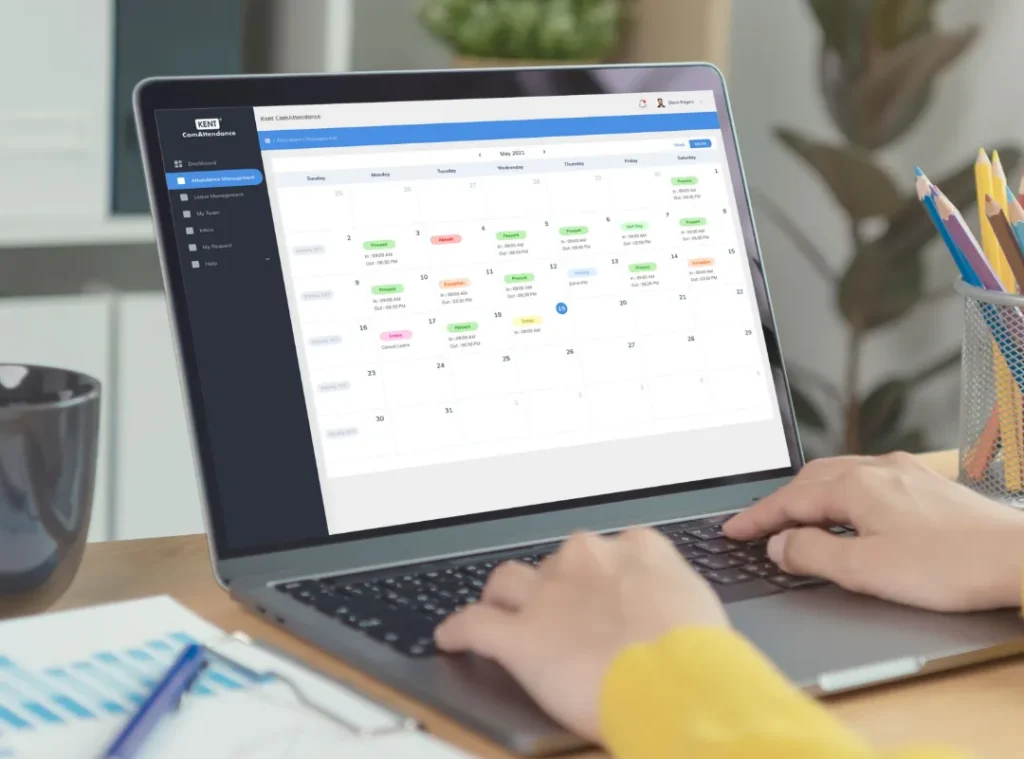
Monitor Attendance Data
Effective absence management starts with accurate records.
Look for:
- Repeated Monday or Friday absences
- Patterns around holidays
- Frequent absences for similar reasons
- Increasing absence frequency
Identifying trends allows employers to intervene early.
Conduct Return-to-Work Meetings
A return-to-work meeting should be held after every sickness absence, regardless of duration.
These discussions help:
- Confirm the reason for absence
- Identify any underlying concerns
- Reinforce attendance expectations
- Demonstrate that absence is being monitored
Employees are often less likely to take unnecessary time off when they know absences will be reviewed upon their return.
Explore Underlying Causes
Frequent absence is not always a conduct issue.
Possible causes may include:
- Stress or burnout
- Mental health concerns
- Caring responsibilities
- Workplace conflict
- An underlying medical condition
Understanding the root cause enables employers to take a more effective and supportive approach.
Use Attendance Review Processes
If attendance levels remain unsatisfactory, employers should implement a structured attendance management process.
This may include:
- Attendance review meetings
- Improvement targets
- Formal warnings where appropriate
- Ongoing monitoring periods
Applying procedures consistently across the workforce is essential.
Focus on Prevention
Organisations with strong wellbeing cultures often experience lower levels of absence.
Consider initiatives such as:
- Wellbeing support programmes
- Mental health awareness training
- Flexible working options
- Workload management reviews
Addressing issues early can reduce the likelihood of recurring absence
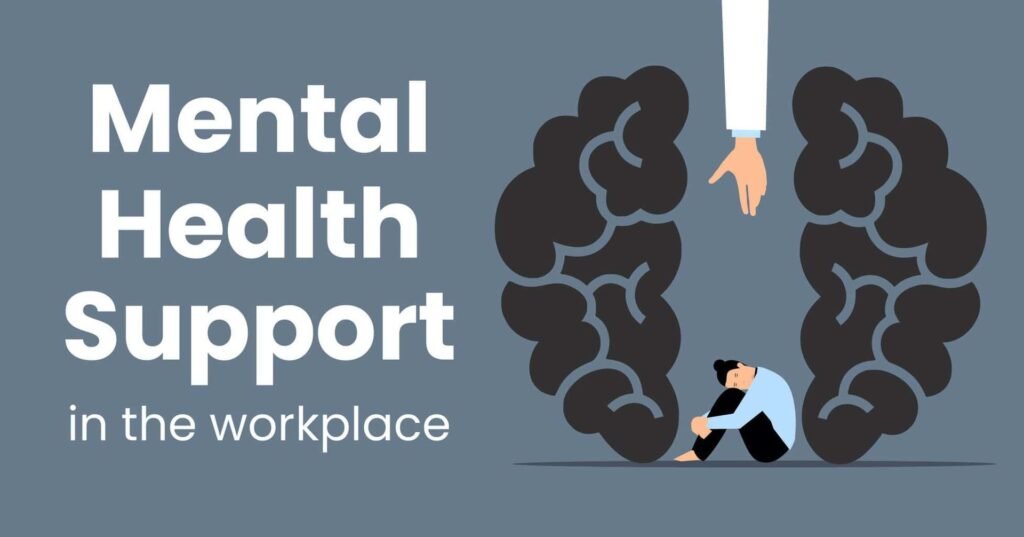
Supporting Employees with Mental Health Issues Who Remain at Work
Not all wellbeing concerns result in sickness absence.
Many employees continue working whilst struggling with anxiety, stress, depression or other mental health challenges. Often referred to as "presenteeism", employees may be physically present but unable to perform at their usual level.
This can be one of the most difficult situations for managers to address.
Recognise the Signs
Managers should be alert to changes such as:
- Reduced productivity
- Difficulty concentrating
- Missed deadlines
- Increased mistakes
- Withdrawal from colleagues
- Reduced engagement
- Changes in behaviour or mood
These indicators do not automatically mean someone is experiencing a mental health difficulty, but they can signal that further support may be needed.
Start a Supportive Conversation
Many managers avoid discussing performance concerns when mental health may be a factor.
However, avoiding the issue rarely helps.
A supportive conversation should focus on:
- Observed behaviours
- The impact on work
- Support available
- Any barriers the employee is experiencing
Managers should avoid making assumptions or attempting to diagnose medical conditions.
Consider Appropriate Support
Depending on the circumstances, support may include:
- Temporary workload adjustments
- Flexible working arrangements
- Additional supervision
- Time off for medical appointments
- Employee Assistance Programmes (EAPs)
- Occupational Health referrals
The goal should be to remove barriers that may be affecting performance.
Separate Support from Performance Management
Supporting an employee does not mean ignoring performance issues.
Employers should continue to:
- Set clear expectations
- Monitor performance objectively
- Provide feedback
- Offer reasonable support and adjustments
Where performance concerns persist despite support, a capability process may ultimately be required.
Create a Culture Where People Can Speak Up
Employees are more likely to seek help early when they feel psychologically safe.
Leaders play a crucial role in creating an environment where conversations about mental health are normalised and support can be accessed without fear of stigma.
Early intervention often prevents more serious issues developing later.
The HR Team's Top Tip
The most successful organisations don't wait until absence levels become problematic. They focus on early intervention, consistent processes, supportive conversations and proactive wellbeing initiatives.
Whether you're dealing with long-term sickness absence, recurring short-term absence or supporting employees experiencing mental health challenges, taking timely and informed action can make all the difference.
Need Support?
The HR Team can help you manage complex absence cases, train managers in effective attendance management, conduct Occupational Health referrals, review policies and ensure your processes remain legally compliant and commercially practical.
Contact The HR Team today to discuss how we can help you build a healthier, more engaged and productive workforce.