

What Managers Need to Know
Premenstrual Dysphoric Disorder (PMDD) is a severe, hormone-related condition affecting an estimated 1 in 20 women. It is often misunderstood, frequently misdiagnosed, and can have a profound impact on wellbeing, confidence, and performance at work.
PMDD is not “bad PMS.” It is a clinical condition involving intense emotional, cognitive, and physical symptoms that occur in the luteal phase of the menstrual cycle (typically the 7–10 days before a period) and ease shortly after menstruation begins.
Because symptoms are cyclical, unpredictable, and often invisible, PMDD can quietly undermine a woman’s working life — especially in environments where psychological safety is low or where managers are unsure how to offer support.
This month’s HR Insight is designed to help managers understand PMDD, recognise its potential impact, and create a supportive environment where affected employees can thrive.
What PMDD Can Look Like at Work
Symptoms vary, but common workplace impacts include:
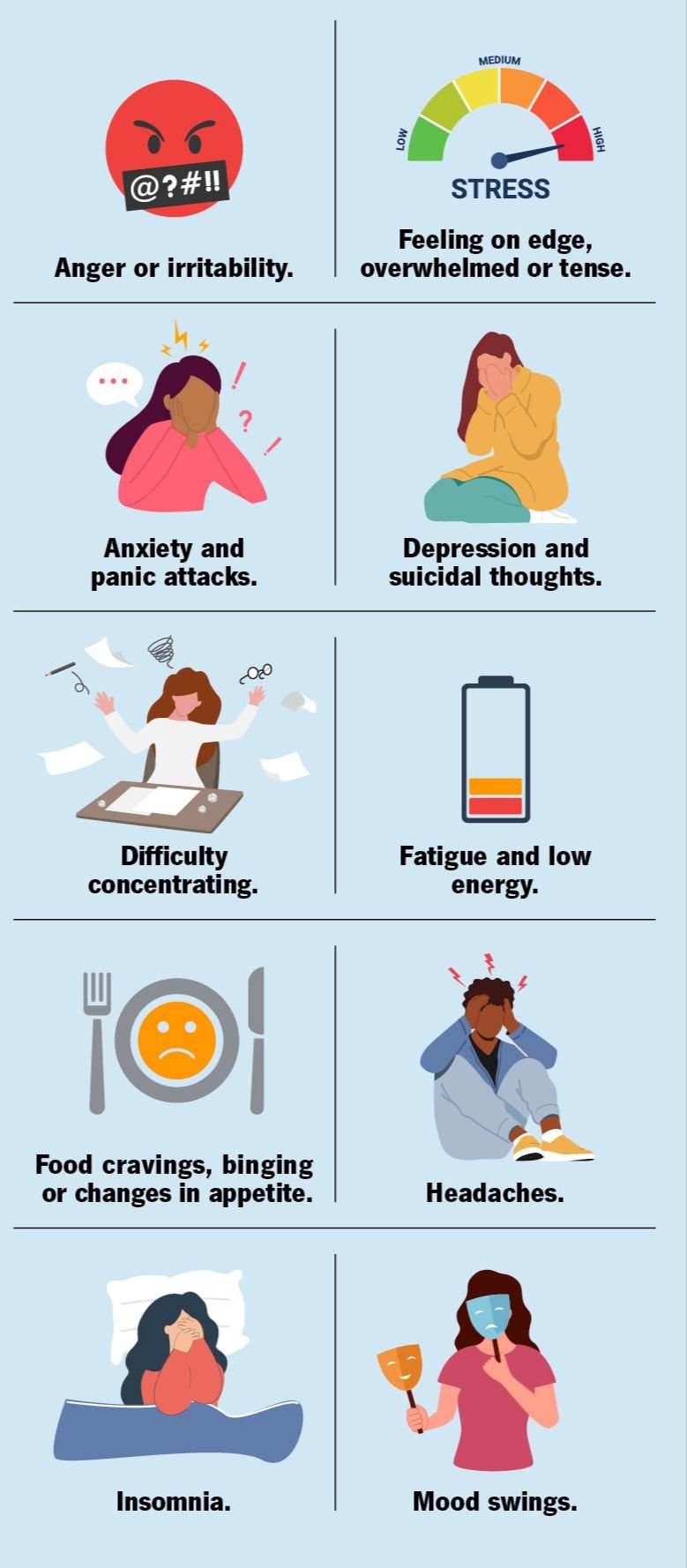
Emotional and cognitive symptoms
- Sudden drops in confidence or self-esteem
- Heightened anxiety or overwhelm
- Difficulty concentrating or making decisions
- Irritability or emotional sensitivity
- Feeling “not like themselves” for part of each month
Physical symptoms
- Fatigue
- Sleep disruption
- Pain, headaches, or nausea
- Low energy or reduced stamina
Workplace behaviours you may notice
- Fluctuating performance across the month
- Increased sick days or last-minute absences
- Withdrawal in meetings
- Reduced resilience or tolerance for stress
- Feeling disproportionately affected by feedback
These patterns can be misinterpreted as performance issues, disengagement, or inconsistency — when in reality, the employee may be managing a significant health condition.
The Impact on Women’s Careers
PMDD can affect career progression in several ways:
- Reduced confidence during symptomatic days can lead to avoiding stretch opportunities or visibility.
- Fear of being judged may stop employees from disclosing what they’re experiencing.
- Inconsistent symptoms can create a perception of unreliability if not understood.
- Stigma around menstrual health can make conversations feel uncomfortable or “unprofessional.”
- Lack of awareness means many women feel they must “push through” without support, often at personal cost.
When managers understand PMDD and respond with empathy and flexibility, it can be career-changing.
How Managers Can Support Employees with PMDD
You don’t need to be a medical expert — just a thoughtful, proactive manager who creates space for honest conversation and practical adjustments.
- Create a safe environment for disclosure
Employees are more likely to share health concerns when:
- They feel listened to
- They trust their manager
- They know the conversation will be handled sensitively
A simple “How can I support you?” can open the door.
- Focus on impact, not symptoms
You don’t need personal medical details. Instead, explore:
- What tasks feel harder at certain times
- What support or adjustments would help
- How symptoms affect work patterns
This keeps the conversation respectful and work-focused.
- Offer flexible, practical adjustments
These may include:
- Adjusting deadlines around symptomatic days
- Allowing remote work or flexible hours
- Temporary changes to workload or meeting expectations
- Quiet workspace options
- Using wellbeing days or planned short notice leave
- Agreeing a communication plan for difficult days
Small adjustments can make a significant difference.
- Encourage proactive planning
Work together to map:
- When symptoms typically occur
- What tasks are most affected
- What strategies help the employee stay well
This turns a reactive situation into a predictable, manageable rhythm.
- Signpost support
Managers can gently encourage:
- Occupational health
- Employee Assistance Programmes
- GP or specialist support
- HR for guidance on reasonable adjustments
Your role is to support, not diagnose.
- Avoid assumptions
Every person’s experience is different. Ask, don’t guess. Support, don’t minimise.
Why This Matters
Supporting employees with PMDD isn’t just a wellbeing issue — it’s a talent retention and inclusion issue.
When women feel understood and supported:
- Engagement increases
- Absence reduces
- Confidence grows
- Performance stabilises
- Careers progress
And importantly, it signals that your organisation values women’s health as part of a genuinely inclusive culture.
For further support and guidance on this or any HR matter, contact The HR Team today … because our team is your strength.