
As organisations continue to explore strategies for enhancing employee wellbeing, boosting morale, and strengthening company culture, pet policies are becoming an increasingly popular consideration. Whether allowing occasional office visits from well-behaved dogs, supporting “pet-friendly” days, or enabling flexible work arrangements for pet care, organisations are beginning to recognise the role pets play in their employees’ lives.
This HR Insight piece outlines the benefits, risks, and practical considerations for developing a balanced and responsible Pet Policy.
Why Consider a Pet Policy?
Employee Wellbeing and Stress Reduction
Research consistently shows that interaction with pets can lower stress levels, reduce anxiety, and promote emotional wellbeing. In a workplace setting, this can translate into calmer environments, improved mood, and increased resilience among staff.
Attraction and Retention of Talent
For many people, pets are beloved members of the family. Companies that offer pet-friendly perks can appeal to candidates who prioritise work–life balance and may differentiate themselves in a competitive labour market.
Improved Social Connection and Culture
Pets in the workplace often serve as natural icebreakers. They can help to build rapport, encourage informal interactions, and contribute to a more positive, collaborative culture.

Potential Risks and Challenges
Allergies and Phobias
A significant proportion of employees may have allergies or fear of animals. Without careful planning, a pet-friendly approach can unintentionally create an uncomfortable or unsafe environment.
Health, Safety, and Liability
Animals, even well-behaved ones, present risks: accidents, bites, property damage, or triggering of medical conditions. Employers must think proactively about risk mitigation and insurance implications.
Distraction and Productivity Concerns
While pets can improve morale, they can also disrupt concentration if not managed well. Clear expectations around behaviour, supervision, and designated spaces are essential.
Equity Considerations
Not all employees have pets or the ability to bring them to work. Policies should be carefully framed to avoid perceptions of unfair advantage or exclusion.
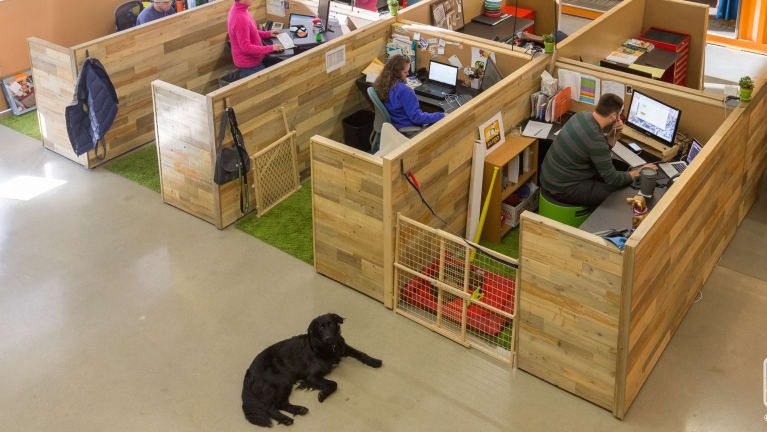
Key Elements of an Effective Pet Policy
A structured Pet Policy ensures consistency, clarity, and safety. HR teams should consider including:
Eligibility Criteria
- Types of pets allowed (commonly dogs only)
- Requirement for vaccinations, health checks, and behavioural suitability
- Documentation expectations (insurance, veterinary records)
Conduct and Behaviour Standards
- Pets must be house-trained, calm, and non-aggressive
- Owners must maintain responsibility at all times
- No barking, roaming, or disruptive behaviour
Workspace Requirements
- Designated pet-friendly and pet-free zones
- Clear guidance for shared spaces (e.g., kitchens, meeting rooms)
- Processes for managing allergies or phobias sensitively
Health & Safety Measures
- Risk assessments prior to implementation
- Hygiene protocols (clean-up responsibilities, waste disposal)
- Emergency procedures for incidents
Trial Periods and Review
Starting with a pilot phase allows organisations to test feasibility, gather feedback, and refine the policy before wider rollout.

Alternatives to On-Site Pets
If having animals in the office isn’t feasible, organisations can still support pet-owning staff by:
- Offering flexible working for vet visits or pet care
- Providing access to pet insurance schemes through benefits providers
- Hosting pet-themed wellbeing initiatives (such as virtual pet meet-ups)
- Setting up “bring your dog to work” days a few times a year
These options allow you to acknowledge the importance of pets in employees’ lives without introducing operational or safety complexities.
Conclusion
As workplaces evolve, so too do employee expectations around wellbeing, flexibility, and culture. A thoughtfully designed Pet Policy can contribute meaningfully to employee engagement and morale—but only when balanced with robust safeguards and a clear understanding of organisational needs.
With careful planning and regard for both pet owners and non-pet owners, organisations can explore pet-friendly initiatives that enhance the employee experience while maintaining professionalism, safety, and inclusivity.
If you are considering introducing pet-friendly initiatives or developing a full workplace Pet Policy, contact The HR Team to request a copy of our comprehensive Pet Policy template, which you can adapt for your organisation’s needs.